Designing for inclusion
Challenge
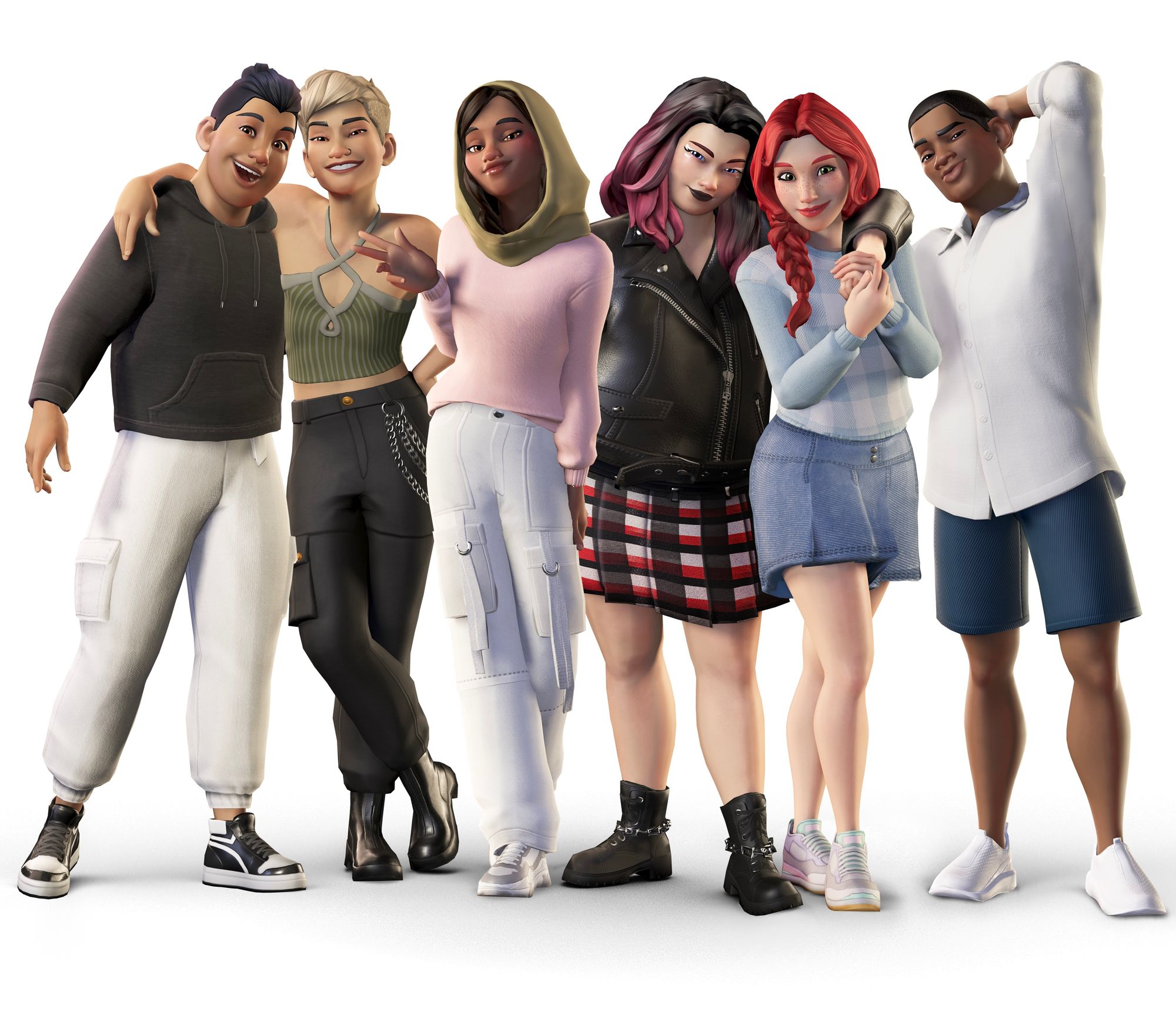
It's hard to move fast and still build something for everyone. But one promise of the metaverse is that it's a safe and welcoming place for all. With Meta Avatars, giving users the ability to express themselves authentically is of utmost importance. However, despite best intentions, unconscious bias or designing for the dominant culture can creep into any product. Team members in a creative meeting might talk about body styles in binary and gendered terms, or they might make stylistic decisions based on unexamined assumptions about the relationship between shape and attractiveness.
With constrained resources and time, it can be tempting to de-prioritize elements of identity that are unique to more underrepresented groups because they represent a smaller percentage of the current user base. Unintentional language (such as referring to these as "edge cases") can further widen the gap between the product and certain users. On a more executional level, we needed to use language to describe aspects of physical appearance without unintended meaning or implied judgement, e.g. deciding how to refer to face lines without connotations of age. (Spoiler: we used "face lines".)
Goal
Increase the diversity and authenticity of Meta Avatars, with inclusive assets (such as body shapes, hair textures) and language that embraces instead of alienates users from underrepresented communities. Increase awareness, understanding, and empathy of the product teams, so that everyone can collectively and continually contribute to more inclusive product experiences.
My role
As a consistent and vocal champion of building an inclusive metaverse, I directly supported multiple content designers in advocating successfully for more inclusive avatar features. While these individuals felt like lone voices in the past, they were encouraged and empowered by my advocacy, which included gaining visibility and alignment with other executive leaders. For more systemic change, I helped define and launch three inclusion workstreams for the Meta Avatars organization, focused on internal training and education, inclusive language (which I co-led), and inclusive design practices.
Outcome
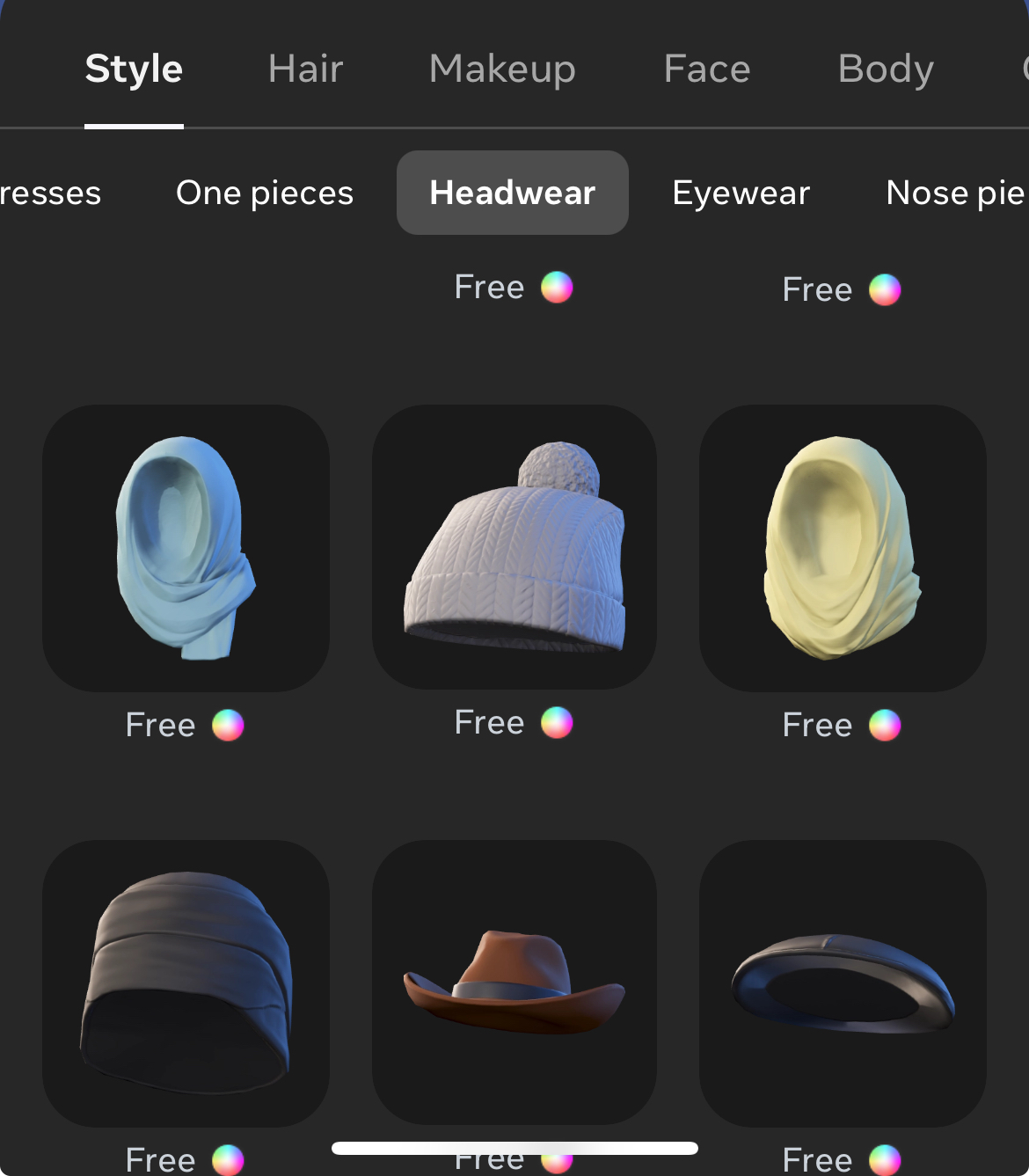
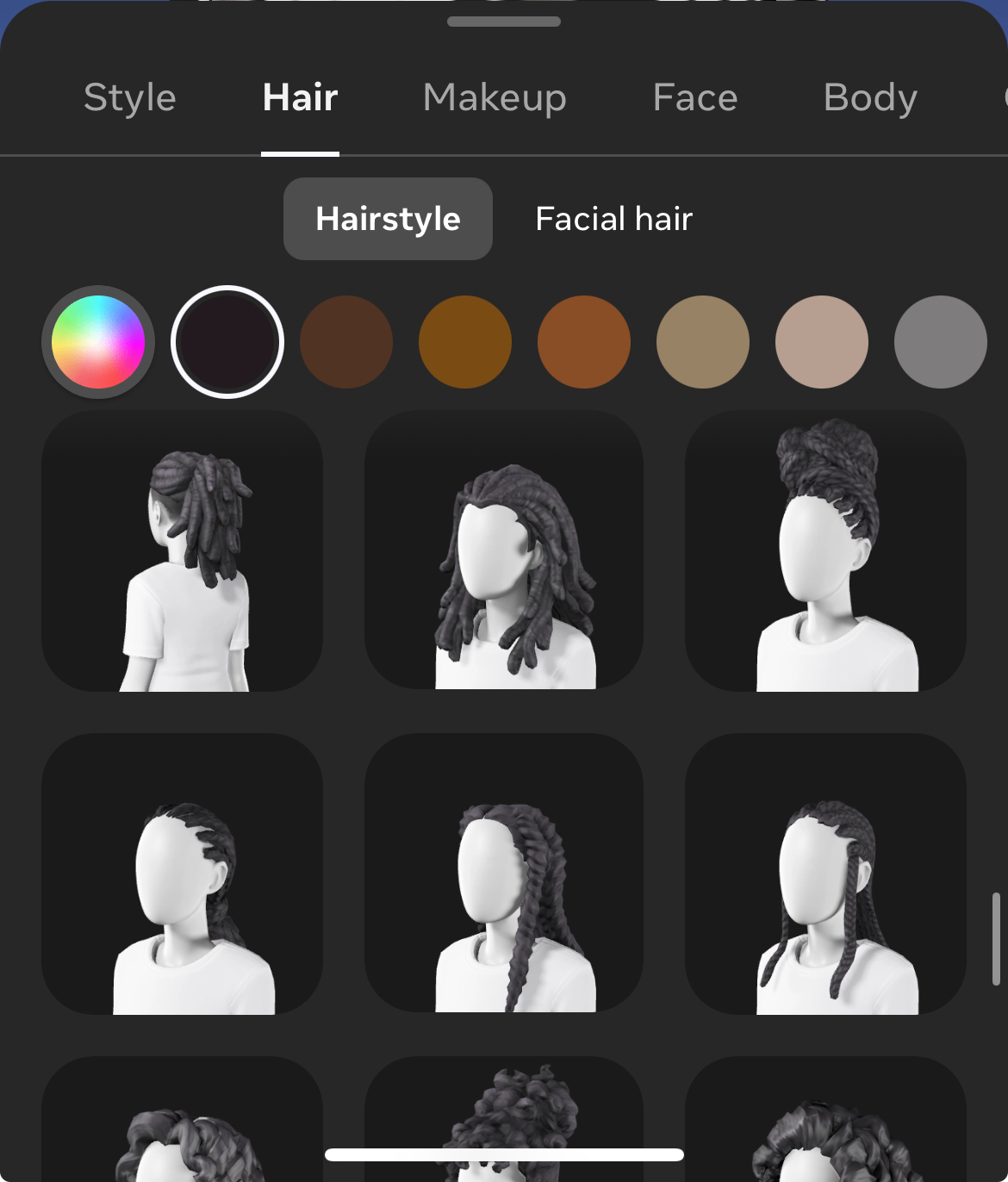
The Meta Avatars product has more inclusive avatar assets that are deemed important to specific communities. For example, content design advocated heavily for the inclusion of the hijab head covering options. This feature was highlighted internally and externally by product leadership. The avatar assets also include more hairstyle options for coily and curly textured hair, as a result of content design's strong advocacy for more user research and a larger number of options. The language throughout the avatar editor is carefully chosen and tested for inclusion and neutrality (e.g. avoiding gendered or age-related language).
To scale out education and awareness of inclusion considerations, content design developed an internal inclusive language guide and contributed heavily to the externally available Inclusive Avatar Guide, developed by the Berkeley Haas Center for Equity, Gender, & Leadership (EGAL) in partnership with Meta Reality Labs. The entire Meta Avatars leadership team - executives across all functions including engineering, product management, design, product marketing, and more -- participated in a hands on Inclusion Learning Lab, based on material that I helped develop as part of the inclusion workstreams.
Example assets
Bonus outcome
When Rebel Girls and Meta partnered to produce a new book, "Rebel Girls Build the Future", the Meta Reality Labs executive leadership team selected 18 women building the metaverse to be featured in the book. I am so grateful and honored to be recognized for my contributions to a more inclusive metaverse and to be included among these accomplished women!